
Low-Glycemic Diet
July 5, 2026 · John Bergeron MD
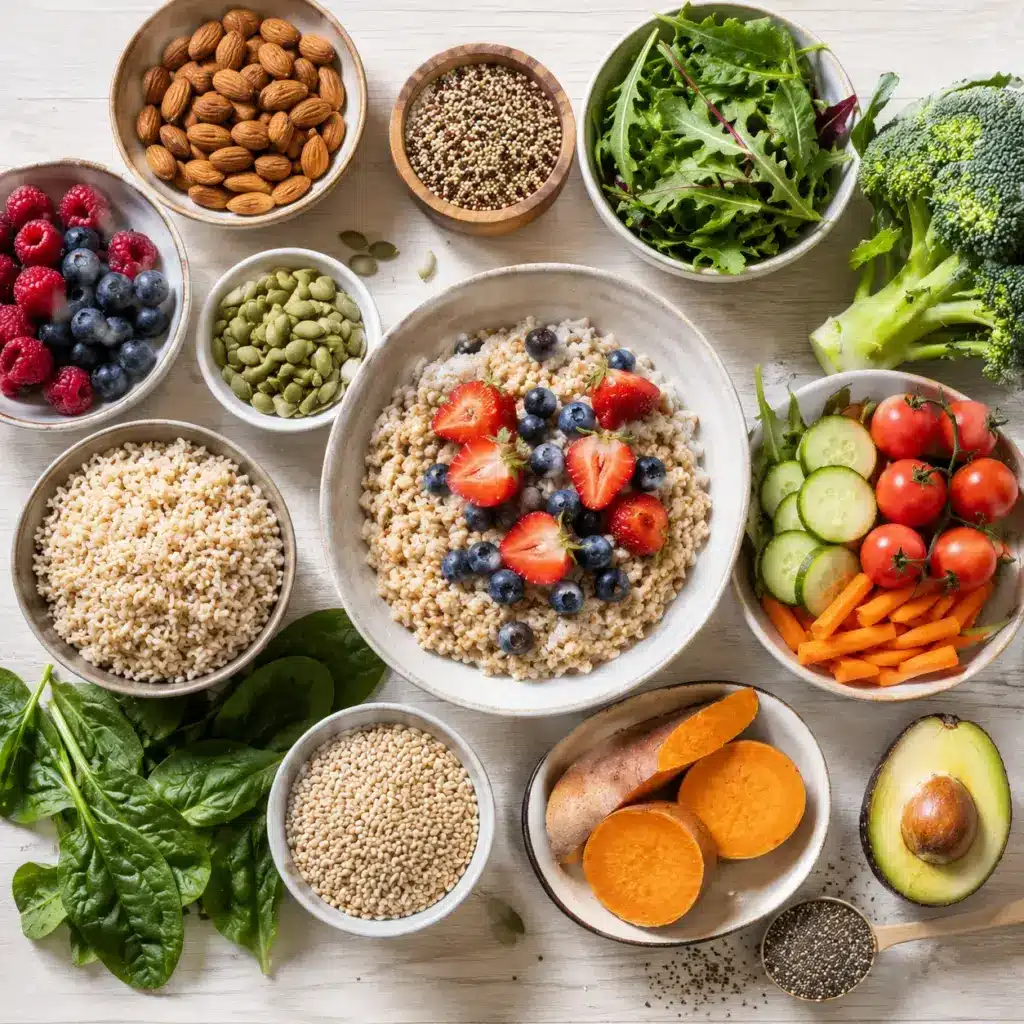
Not all carbs are created equal, and that single idea is the whole basis of the low-glycemic diet. Some carbohydrates hit your bloodstream fast and spike your blood sugar, then leave you crashing, tired, and hungry an hour later. Others release slowly and keep you steady. The low-glycemic diet is simply eating more of the second kind and less of the first, using a tool called the glycemic index to tell them apart.
It has stayed relevant because it targets blood sugar directly, which is the same thing modern weight loss medicine does. Now that GLP-1 medications are part of the picture, a low-glycemic way of eating is one of the most natural partners to medical treatment. Below is how the glycemic index works, what a low-glycemic diet looks like, an honest take on its benefits, and how it fits alongside GLP-1 therapy.
What is the glycemic index?
The glycemic index is a number assigned to a food that reflects how much it raises your blood sugar in the two hours after you eat it. It runs on a scale of 0 to 100, where 100 is pure glucose. The lower the number, the gentler the effect on your blood sugar.
- Low glycemic index: 55 or below
- Moderate: 56 to 69
- High: 70 or above
White bread and pretzels sit high on the scale and cause a fast spike and crash. Steel-cut oats and most non-starchy vegetables sit low and keep things steady. The glycemic index was originally developed to help people with diabetes manage their blood sugar, and research since then has shown it is useful for weight loss too. Eating low on the scale reduces blood sugar swings and the release of insulin, the hormone that signals your body to store fat. With less insulin around, the body burns fat more readily and stores less of it, and you stay full longer.
What you eat on a low-glycemic diet
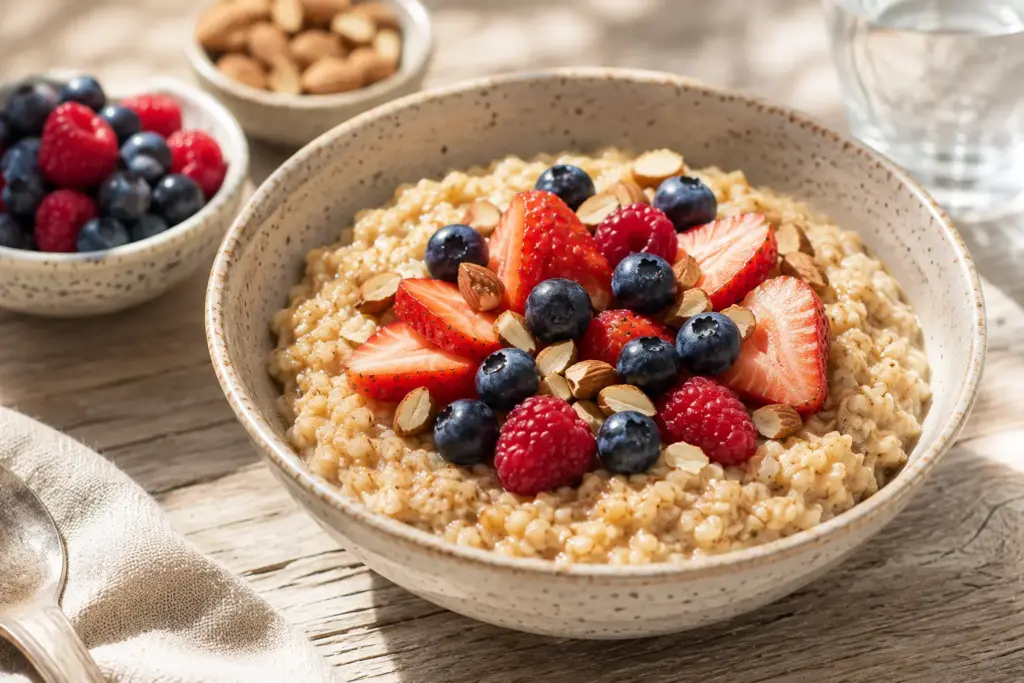
The plan is less about cutting a food group and more about swapping high-glycemic choices for low-glycemic ones.
Foods to build meals around
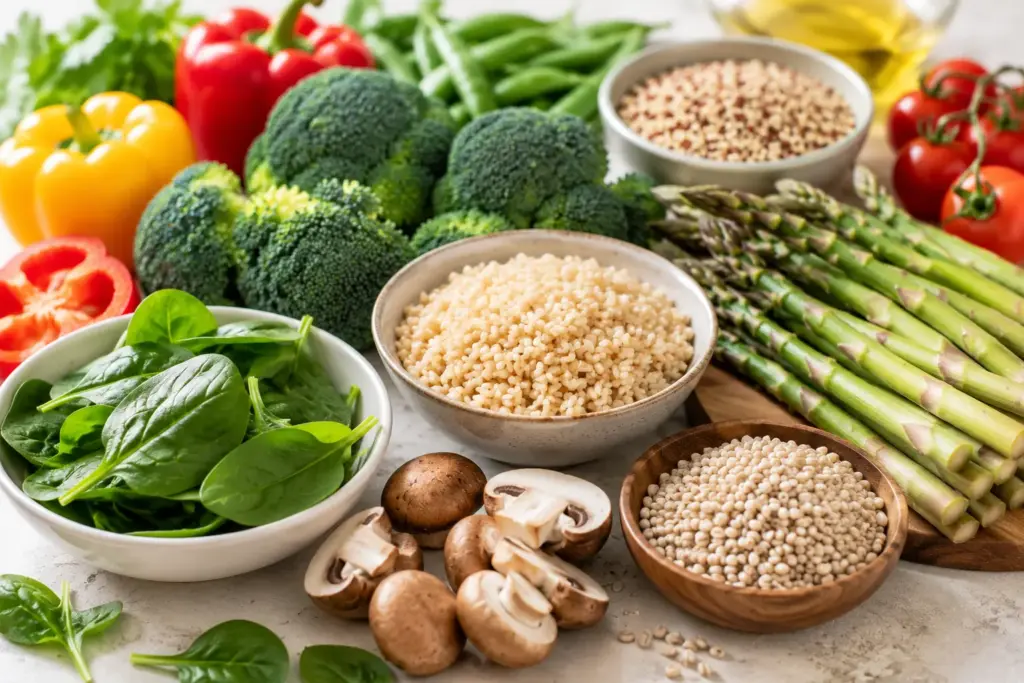
- Whole, minimally processed grains: steel-cut oats, barley, brown rice, millet
- Lean proteins: fish, skinless chicken, beans
- Healthy fats in moderation: olive oil, nuts, avocado
- Plenty of non-starchy vegetables: lettuce, asparagus, broccoli, spinach, mushrooms, peppers
- Lower-glycemic fruit: berries, peaches, pears, apples
Foods to limit or avoid
- Refined grains: white bread, white pasta
- Sweets and high-glycemic desserts: ice cream, pies, cakes
- Sugary drinks and juices from concentrate
- Higher-glycemic fruit: mangos, papayas, bananas
- Packaged and fast foods high in trans or saturated fat
The benefits of eating low-glycemic
Steadier energy and fewer cravings. By flattening the spikes and crashes, most people notice their energy evens out and their cravings fade within a couple of weeks. Many find this is the single biggest change.
Weight loss. Feeling full longer and craving less generally means eating less without forcing it, which supports steady weight loss.
Better blood sugar management. Because the whole approach is built around blood sugar, it may help people managing type 2 diabetes or prediabetes, and there is research linking low-glycemic eating to lower risk of metabolic problems. Anyone managing a diagnosed condition should coordinate with their doctor, since medications may need adjusting.
Those are the benefits we are comfortable standing behind. It is a flexible, sustainable way to eat rather than a crash plan, which is a big part of why it lasts.
Is the low-glycemic diet a good fit?
For most people, yes. It is one of the gentler and more livable eating patterns, with no calorie counting and no eliminating entire food groups, which makes it a sensible starting point and an easy one to maintain. It also underpins other approaches you may know: the South Beach diet is essentially a low-glycemic plan, and any low-carb diet works partly through the same blood-sugar mechanism.
As with any diet, though, it is one piece of the picture. What decides whether the weight stays off is having medical support that adapts the plan to your body over time.
The low-glycemic diet and GLP-1 medications
Of every eating pattern, low-glycemic may be the most natural fit alongside GLP-1 therapy, because both are aimed squarely at steady blood sugar and steady appetite. GLP-1 medications, the class that includes semaglutide, tirzepatide, and liraglutide, reduce hunger and slow digestion. A low-glycemic plate reinforces that from the food side. A few things matter when you combine them, which is why we do it with a provider.
Protein comes first. GLP-1 medications already cut appetite significantly, so it becomes easy to eat too little overall, which risks losing muscle along with fat. Prioritizing adequate protein protects lean mass while you lose weight, and it is one of the first things we watch.
Blood sugar needs coordinating. Both low-glycemic eating and GLP-1 medications lower blood sugar. For anyone on diabetes medication, that overlap needs monitoring, and doses often need adjusting by the care team.
It is a sustainable pairing. Because low-glycemic eating is gentle rather than extreme, it sits comfortably alongside a medication that is already doing much of the appetite work, which makes it one of the easier patterns to stick with long term.
Managed together, the diet and the medication reinforce each other, one steadying blood sugar from the plate and the other from the appetite side. The reason we coordinate them rather than leaving you to combine them alone is simple: the same overlap that makes them effective is what makes them worth monitoring.
Getting started
At Houston Weight Loss Center, we have practiced metabolic medicine since 1996, and today that means pairing sound nutrition with GLP-1 therapy and physician oversight, not one or the other. If a low-glycemic approach appeals to you, or you are wondering how it fits with a GLP-1 medication, talk with our team in Houston, Katy, and Webster about a plan that is both effective and safe.
Related reading: South Beach Diet, Low-Carb Diet, Atkins Diet, Keto Diet, Mediterranean Diet, Protein and Weight Loss on GLP-1 Medications, and Why Muscle Preservation Matters on GLP-1s.