
Low Carb Diet
July 5, 2026 · John Bergeron MD
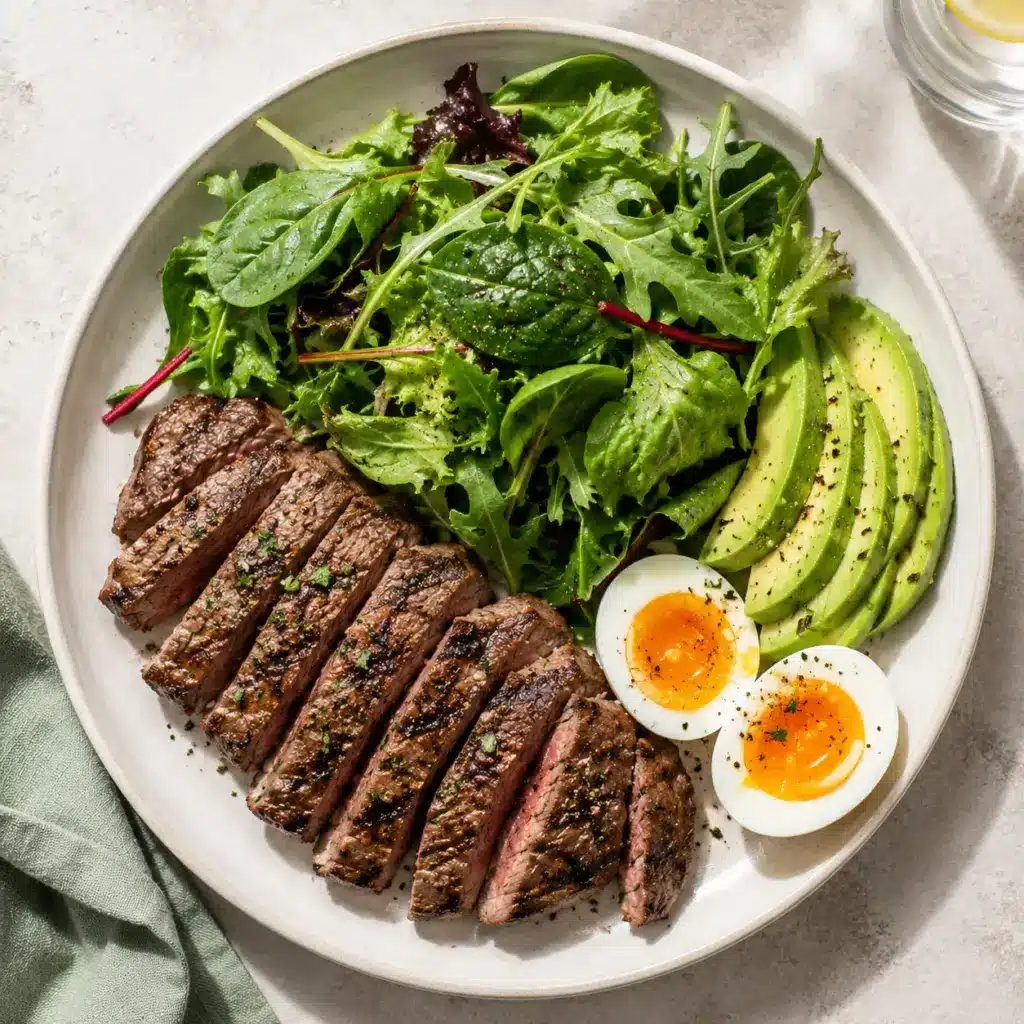
A low-carb diet is exactly what it sounds like: an eating pattern that cuts back on carbohydrates, especially sugar and starches, and leans on protein, vegetables, and healthy fats instead. It is less a single branded program than a whole family of approaches. The Atkins and South Beach diets are low-carb, and keto is low-carb taken to its strictest form. For a lot of people, a moderate low-carb approach is the most sustainable place to start, because there is no calorie counting and less of the hunger that makes diets hard to stick with.
Low-carb eating has stayed relevant for a simple reason: it works on blood sugar and appetite, which is the same ground that modern weight loss medicine covers. Now that GLP-1 medications are part of the picture, a low-carb plate is one of the most natural everyday partners to medical treatment. Below is how a low-carb diet works, what to eat, an honest look at the pros and cons, and how it fits alongside GLP-1 therapy.
What is a low-carb diet, and how does it work?
Low-carb diets, sometimes called low-carb high-fat or LCHF diets, reduce carbohydrates while increasing protein and healthy fat. A common target is 130 grams of carbs a day or fewer, though the family ranges from moderate to very strict. There is no calorie counting and no skipping meals. You avoid certain foods and lean into others.
The mechanism is straightforward. Cutting sugar and starch steadies your blood sugar, which lowers insulin, the hormone that signals your body to store fat. With insulin lower, the body burns fat more readily, and the higher protein and fat help you feel full sooner. That combination is why people tend to eat less on low-carb without consciously trying to.
Where the specific diets differ is mostly how far they push it. A general low-carb plan is flexible and includes some whole grains and fruit. Atkins and keto push carbs much lower to force a bigger metabolic shift. If a strict plan sounds daunting, a moderate low-carb approach delivers much of the benefit with far more staying power.
What you can eat (and what to avoid)

Foods you eat on a low-carb diet
- Meat and poultry: chicken, beef, and more
- Fish: salmon, trout, cod, and more
- Eggs
- Non-starchy vegetables: broccoli, peppers, asparagus, zucchini, spinach
- Avocado and healthy fats
- Nuts, seeds, and full-fat dairy in moderation
Foods you limit or avoid
- Sugary drinks: soda, fruit juice, energy drinks
- Bread, pasta, and refined grains
- Sweets and desserts
- Highly processed, long-ingredient-list foods
A good rule of thumb is to favor real, whole foods and to be wary of anything with a long list of ingredients you cannot pronounce.
The benefits of low-carb eating

Weight loss. The main draw, and it tends to be reliable when people stay consistent, largely because cutting refined carbs removes a lot of easy calories and curbs hunger.
Fewer cravings. Steadier blood sugar means fewer of the spikes and crashes that drive sugar cravings, which many people find is the single biggest change.
Better blood sugar control. Because low-carb eating directly affects blood sugar and insulin, it may help people managing type 2 diabetes or prediabetes, though that should always be coordinated with the doctor managing their care, since medications may need adjusting.
These are the well-supported benefits. You will see bigger claims online, but the ones above are the ones we are comfortable standing behind.
Does low-carb work? An honest look
Low-carb works for a lot of people, with the caveat that applies to every diet.
What it does well. It is effective, flexible, and does not require calorie counting, and a moderate version is one of the more sustainable ways to eat for weight loss. It scales, so you can go as gentle or as strict as suits you.
Where it falls short. Cutting carbs sharply can bring a few days of fatigue and irritability while your body adjusts. Very strict versions get socially awkward and hard to maintain, and like any diet, results fade when the habits stop. Low-carb is also not right for everyone. We do not recommend a low-carb approach for people with certain hormonal conditions or a history of disordered eating without medical guidance, and anyone with a health condition should check with their doctor first.
The honest throughline is the same across every diet: they rarely fail because the mechanism is wrong. They fail because willpower alone does not hold against biology over the long term. That is the gap medical weight loss is built to close.
Low-carb and GLP-1 medications
Of the low-carb family, a moderate low-carb plan may be the easiest to pair with GLP-1 therapy for everyday use, because it is sustainable rather than extreme. GLP-1 medications, the class that includes semaglutide, tirzepatide, and liraglutide, reduce hunger and slow digestion. A low-carb plate supports steadier blood sugar and appetite from the food side. Done together with a provider, they reinforce each other well.
Protein comes first. GLP-1 medications already cut appetite significantly. On a low-carb plan it becomes easy to eat too little overall, which risks losing muscle along with fat. Prioritizing adequate protein protects lean mass while you lose weight, and it is one of the first things we watch.
Blood sugar needs coordinating. Both low-carb eating and GLP-1 medications lower blood sugar, so for anyone on diabetes medication that overlap needs monitoring and, often, medication adjustments handled by the care team.
Favor sustainable over strict. Because a GLP-1 is already doing a lot of the appetite work, you usually do not need the strictest version of low-carb on top of it. A moderate, protein-forward low-carb pattern tends to be the more comfortable and sustainable pairing.
Managed together, a low-carb diet and a GLP-1 make a strong, sustainable combination. The reason we coordinate them rather than leaving you to stack them alone is simple: the same overlap that makes them effective is what makes them worth monitoring.
Is low-carb right for you?
A low-carb diet is a reasonable starting point for many people beginning a weight loss journey, and it is often a good option for those who have plateaued on other plans. It is flexible enough to meet you where you are. But as with any eating pattern, the diet is only one piece. What determines whether the weight stays off is having medical support that adapts the plan to your body over time.
At Houston Weight Loss Center, we have practiced metabolic medicine since 1996, and today that means pairing sound nutrition with GLP-1 therapy and physician oversight, not one or the other. If a low-carb approach appeals to you, or you are wondering how it fits with a GLP-1 medication, talk with our team in Houston, Katy, and Webster about a plan that is both effective and safe.
Related reading: Atkins Diet, South Beach Diet, Keto Diet, Mediterranean Diet, Glycemic Index, Protein and Weight Loss on GLP-1 Medications, and Why Muscle Preservation Matters on GLP-1s.