
Mediterranean Diet
July 5, 2026 · John Bergeron MD
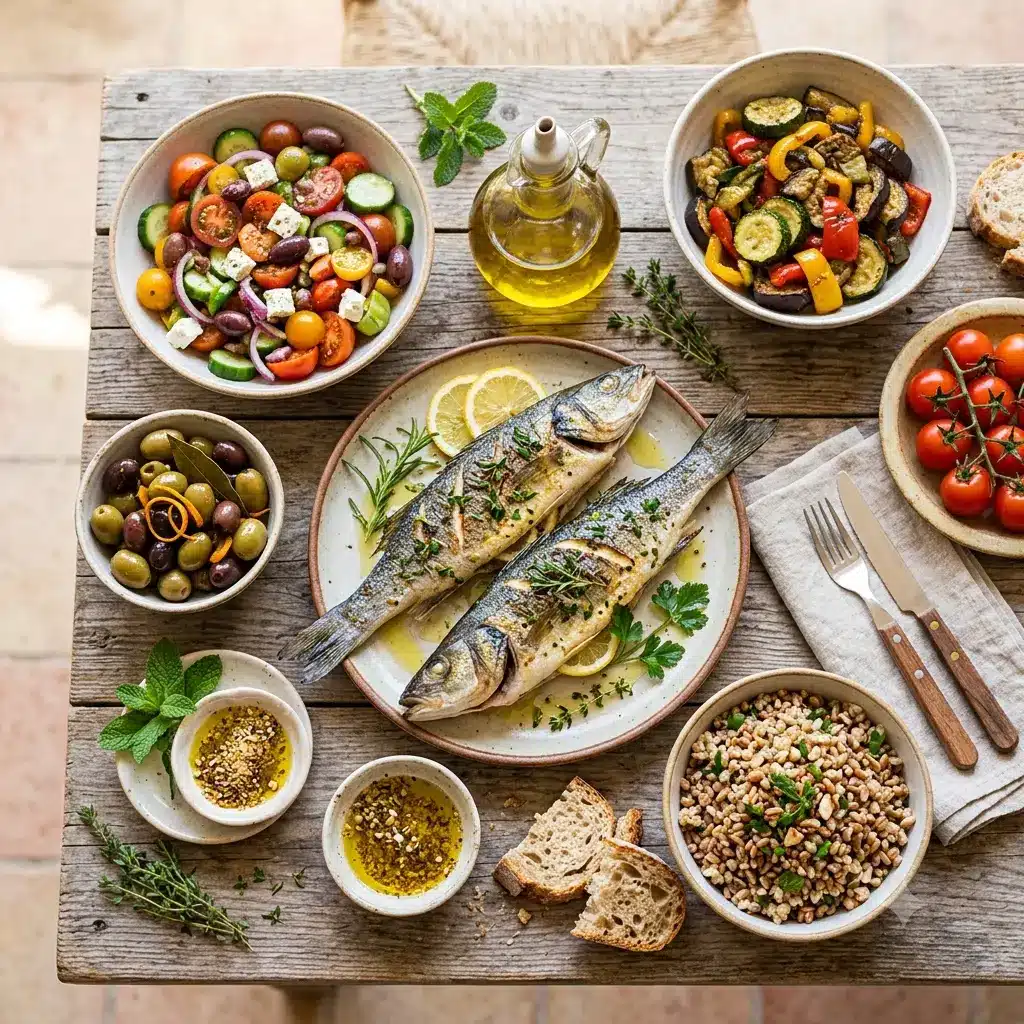
The Mediterranean diet is one of the oldest ways of eating and, by most measures, one of the healthiest. It is modeled on the traditional diets of countries along the Mediterranean Sea: lots of vegetables, fruit, whole grains, beans, olive oil, and fish, with poultry and dairy in moderation and red meat only occasionally. It is consistently ranked among the best diets for overall health, and it is less a strict plan than a sustainable way of eating.
That word, sustainable, is why it matters here. The hardest part of any diet is keeping it up, and most weight loss plans fail on that point rather than on the science. The Mediterranean diet is built to be lived with long term, which also makes it one of the best eating patterns to pair with GLP-1 medications and, importantly, to maintain results after them. Below is how it works, what to eat, its benefits, and how it fits alongside GLP-1 therapy.
How the Mediterranean diet works
Unlike most diets, this one is not built around restriction or counting. There is little focus on calories or carb grams. Instead, the emphasis is on food quality: whole, minimally processed foods, healthy fats like olive oil, plants at the center of the plate, and lean proteins like fish and poultry.
It works for weight and health for a few reasons that reinforce each other. The high fiber from vegetables, fruit, beans, and whole grains keeps you full. The healthy fats and lean protein add satiety without spiking blood sugar, which supports steady blood sugar and steadier energy. And because whole foods are naturally more filling and less calorie-dense than processed ones, most people eat less without trying to.
What you can eat (and what to avoid)
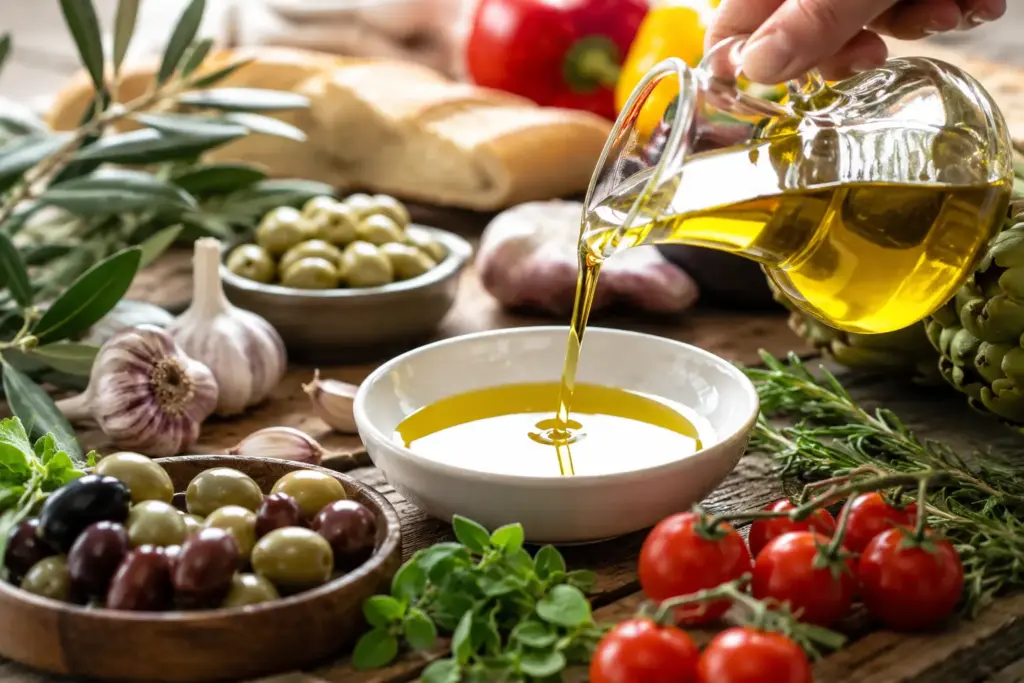
Eat freely:
- Vegetables and fruit
- Nuts and seeds
- Whole-grain breads and grains
- Fish and seafood
- Olive oil, olives, and fermented vegetables
- Beans and legumes
Eat in moderation:
- Poultry
- Eggs
- Cheese and yogurt
Save for special occasions:
- Beef, pork, and lamb
Beverages:
- Water, black coffee, and tea
- A glass of red wine with dinner, if you drink
Limit or avoid:
- Foods and drinks with added sugar
- Processed meats like lunch meat and sausage
- Refined grains like white flour
- Highly processed boxed or canned foods
- Bottled and canned fruit juices
The benefits of eating Mediterranean
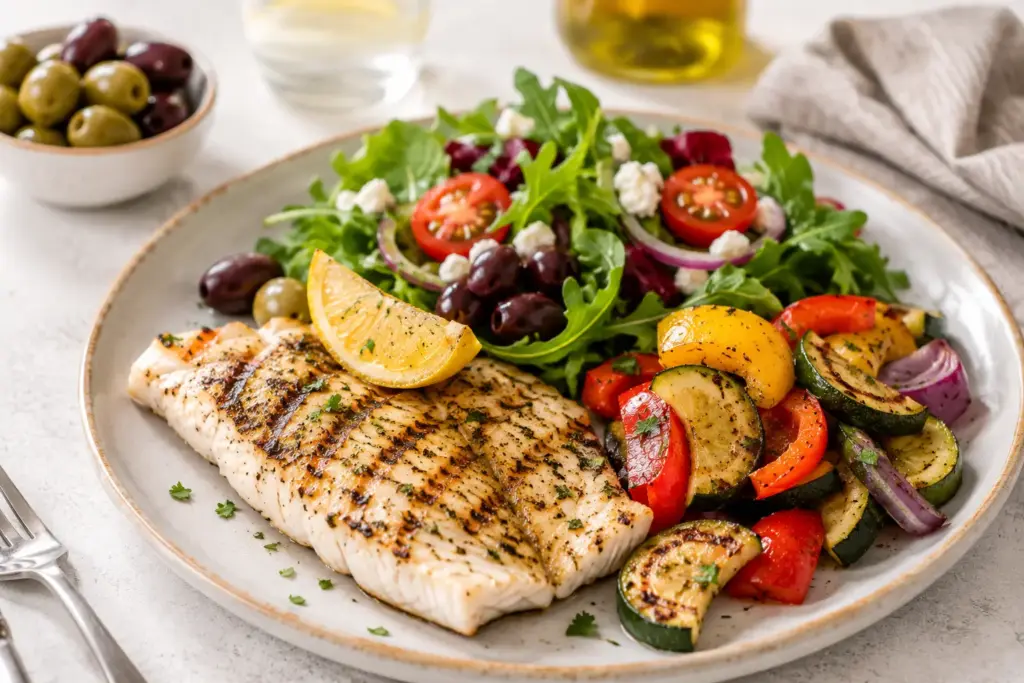
This is one of the most studied diets in the world, and the evidence behind it is unusually strong.
Heart health. The Mediterranean diet is consistently associated with better cardiovascular health and lower risk of heart disease, largely through its effect on cholesterol, blood pressure, and inflammation.
Steadier blood sugar. The mix of fiber, healthy fat, and protein helps keep blood sugar stable, which supports both energy and weight.
Sustainable weight loss. Weight loss tends to be steady rather than dramatic, but because the diet is livable, the results are more likely to last than with restrictive plans.
These are well-supported benefits. Anyone managing a diagnosed condition should still coordinate changes with their doctor.
Does it work? An honest look
What it does well. It is arguably the most sustainable diet there is, it does not eliminate whole food groups, and it has the strongest health evidence of any eating pattern here. For most people it is easy to live with, which is exactly why it works over the long term.
Where it falls short. Because it is not calorie-restrictive by design, weight loss can be slower than on stricter plans like keto or a tighter low-carb approach, and portions still matter (olive oil and nuts are healthy but calorie-dense). It also takes a shift in shopping and cooking, and the first couple of weeks of eating more fiber can bring some bloating while your body adjusts.
The honest throughline for every diet is that they fail on sustainability, not science. The Mediterranean diet is one of the few that answers that problem directly, which is a big part of why we like it.
The Mediterranean diet and GLP-1 medications
If the other eating patterns are about losing weight, the Mediterranean diet is about losing it and keeping it off, which makes it one of the best long-term partners to GLP-1 therapy. GLP-1 medications, the class that includes semaglutide, tirzepatide, and liraglutide, reduce hunger and slow digestion. A Mediterranean pattern complements that unusually well.
Protein protects muscle. With appetite reduced on a GLP-1, it is easy to eat too little and lose muscle along with fat. The fish, poultry, eggs, and legumes in this diet make it easier to hit adequate protein, which is one of the first things we monitor.
Fiber helps with side effects. GLP-1 medications commonly cause constipation and nausea. The high fiber and whole foods of a Mediterranean plate, along with good hydration, are exactly what helps ease those GI effects, so this pattern tends to be gentler on people starting a medication.
It is the maintenance plan. Perhaps most important, when someone reaches their goal and eventually tapers off a medication, the Mediterranean diet is a way of eating they can carry forward for life. It is the pattern most likely to keep the weight off once the medication is doing less of the work.
Done together, a Mediterranean diet and a GLP-1 are a strong, sustainable combination, and it is one of the few pairings where the diet is as much about the years after as the months on the medication.
Is the Mediterranean diet right for you?
For most people, this is one of the easiest and safest eating patterns to adopt, and a sensible foundation whether or not a medication is involved. As with any approach, the diet is one piece of the picture. What decides whether the weight stays off is having medical support that adapts the plan to your body over time.
At Houston Weight Loss Center, we have practiced metabolic medicine since 1996, and today that means pairing sound nutrition with GLP-1 therapy and physician oversight, not one or the other. If a Mediterranean approach appeals to you, or you are wondering how it fits with a GLP-1 medication, talk with our team in Houston, Katy, and Webster about a plan that is both effective and safe.
Related reading: Atkins Diet, South Beach Diet, Keto Diet, Low-Carb Diet, Low-Glycemic Diet, Protein and Weight Loss on GLP-1 Medications, and Why Muscle Preservation Matters on GLP-1s.