
Weight Watchers
July 5, 2026 · John Bergeron MD
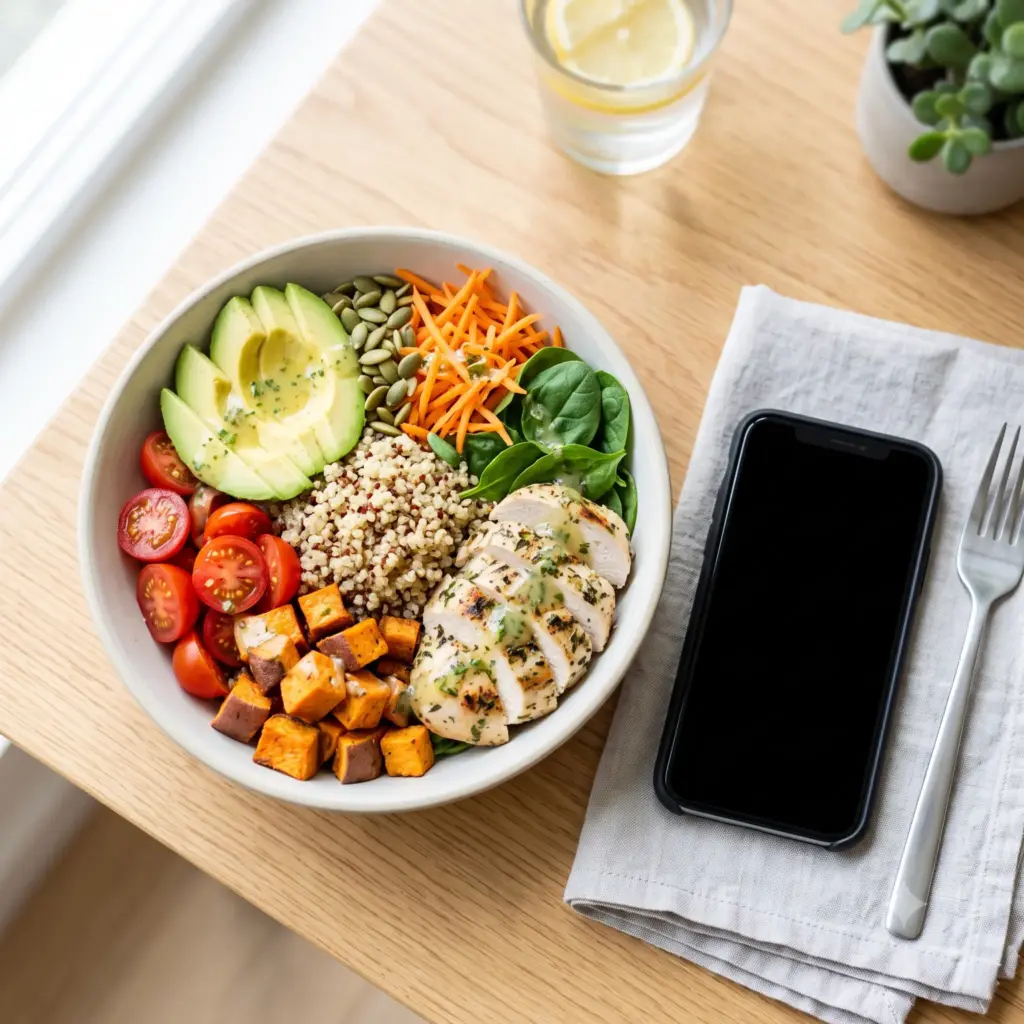
Weight Watchers, now styled WeightWatchers or WW, has been a household name since 1963, but the program today looks almost nothing like it used to. After a financial restructuring, the company rebuilt itself around the biggest change in weight loss in decades: GLP-1 medications. It is no longer just a points-and-meetings program. Today it is a mix of a food-tracking app and a telehealth clinic that prescribes weight loss medication. Here is how it works now, its honest pros and cons, and how a national app-based program compares to local, physician-led medical weight loss.
How WeightWatchers works now

There are really two sides to the program.
The Points app. The familiar system is still here, now simply called Points. Foods are assigned a points value based on their nutrition, you get a personalized daily points budget, and most fruits, vegetables, and lean proteins are zero-point foods you can eat freely. It is a flexible framework, no foods are strictly off-limits, and everything is tracked in the app, which also includes coaching, workshops, community support, and activity and body-composition tracking. This side comes in tiered plans, from a basic app-only tier up to versions that add coaching and workshops.
The clinic. The bigger change is WeightWatchers Clinic, its telehealth medical arm (built on Sequence, which it acquired in 2023). Through the clinic’s Med+ plan, licensed clinicians can prescribe FDA-approved GLP-1 medications after an online assessment, coordinate with your insurance, and manage refills, all remotely. There are also specialized tracks for people on GLP-1s, people with diabetes, and menopause. The medication itself is billed separately from the membership and depends on your insurance.
Pros and cons of WeightWatchers
What it does well. The Points system is genuinely flexible and easy to live with, the app and community are polished, and adding a real medical arm means it can now offer GLP-1 therapy rather than just behavior change. For a large, national program, it is a reasonable all-in-one option.
Where it falls short. It is a membership fee on top of separate, insurance-dependent medication costs, and the medical plans typically involve a longer commitment. Just as important, the care is delivered nationally through an app and chat, with clinicians you connect with remotely rather than a doctor you see in person. For some people that convenience is a plus; for others, weight loss medication is exactly the kind of thing they would rather manage face to face.
Does WeightWatchers work?
The Points program on its own produces modest, steady weight loss for people who stick with it, mostly by adding structure and awareness to eating. What has changed the results is the medication. WeightWatchers’ own data shows people combining a GLP-1 with its program lose substantially more than with the app alone, which is the same story playing out across the whole industry: the medication is the main driver, and the behavioral program supports it.
That shift is worth sitting with, because it is essentially an admission from one of the biggest names in dieting that lasting weight loss usually takes more than willpower and points. It takes addressing the biology of appetite, which is exactly what medical weight loss does.
WeightWatchers versus local medical weight loss

Since WeightWatchers now offers GLP-1s too, the honest question is not medication versus no medication. It is what kind of care you want around that medication.
WeightWatchers is a large, national, app-first program. Care is standardized and mostly remote, medication is brand-name and insurance-dependent, and the medical plans tend to lock you into a longer commitment. That model works well for people who want convenience and a familiar app.
A local clinic is a different experience. You see an actual physician in person, your plan is built around your individual health and history rather than a standardized track, and the same team manages your medication, your protein and muscle, your side effects, and your long-term maintenance over time. The relationship and the continuity are the point. For many people, especially anyone who wants a doctor who knows them managing their treatment, that hands-on, individualized care is worth more than a national app.
A local, physician-led alternative in Houston
At Houston Weight Loss Center, we are not affiliated with WeightWatchers, and we have been practicing exactly this kind of medical weight loss since 1996, long before the big names pivoted to it. Our approach pairs FDA-approved GLP-1 therapy and physician oversight with sustainable eating and a real maintenance plan, delivered in person by a team that gets to know you. If you have looked at WeightWatchers, or you are weighing an app-based program against local medical care, our team in Houston, Katy, and Webster can help. Talk with us about a medically supervised weight loss program built around you.