
What to Eat on GLP-1 Medications
July 4, 2026 · John Bergeron MD
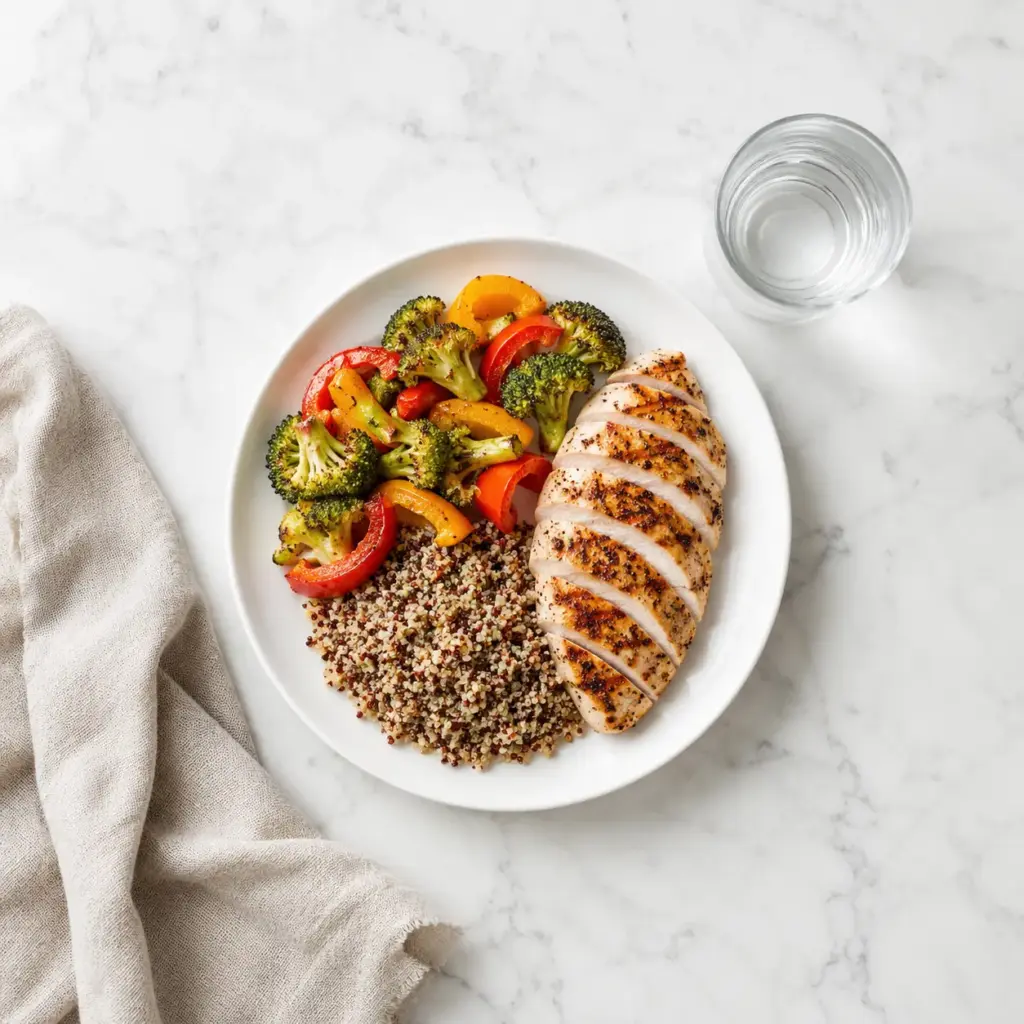
GLP-1 medications like semaglutide and tirzepatide work by curbing your appetite, so the real question isn’t just how much you eat, but what you eat. When you’re only hungry for a little, every bite needs to count. This guide walks through the best foods to focus on, what to limit, and how to eat comfortably while you lose weight on a GLP-1.
How GLP-1 medications change the way you eat
GLP-1 medications such as semaglutide and tirzepatide slow how quickly your stomach empties and quiet the constant “food noise” that drives cravings. You feel full sooner and stay full longer. That’s exactly what makes them so effective, but two things follow from it:
- You may eat much less, so the quality of what you do eat matters more than ever, especially protein.
- Heavy, greasy, or very sugary foods can sit uncomfortably and are a common trigger for nausea. Choosing the right foods keeps you both nourished and comfortable.
Build your plate: protein first, then fiber, then the rest
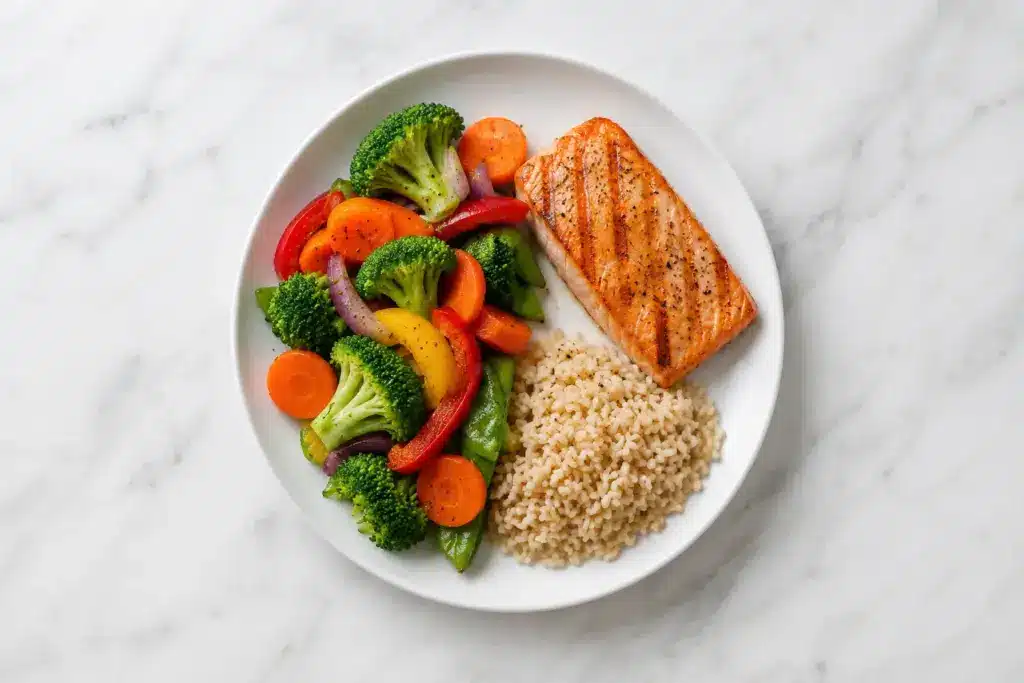
A simple order of operations makes each small meal work harder for you:
- Protein first. Eat your protein before anything else so you get it in while you still have room. Protein protects the muscle you want to keep while you lose fat. Learn more on our protein and weight loss page.
- Fiber next. Non-starchy vegetables and fruit add fullness, vitamins, and fiber that keeps digestion moving.
- Smart carbs and healthy fats last. Whole grains, beans, and a little healthy fat round out the plate, in smaller amounts than you may be used to.
Best foods to focus on
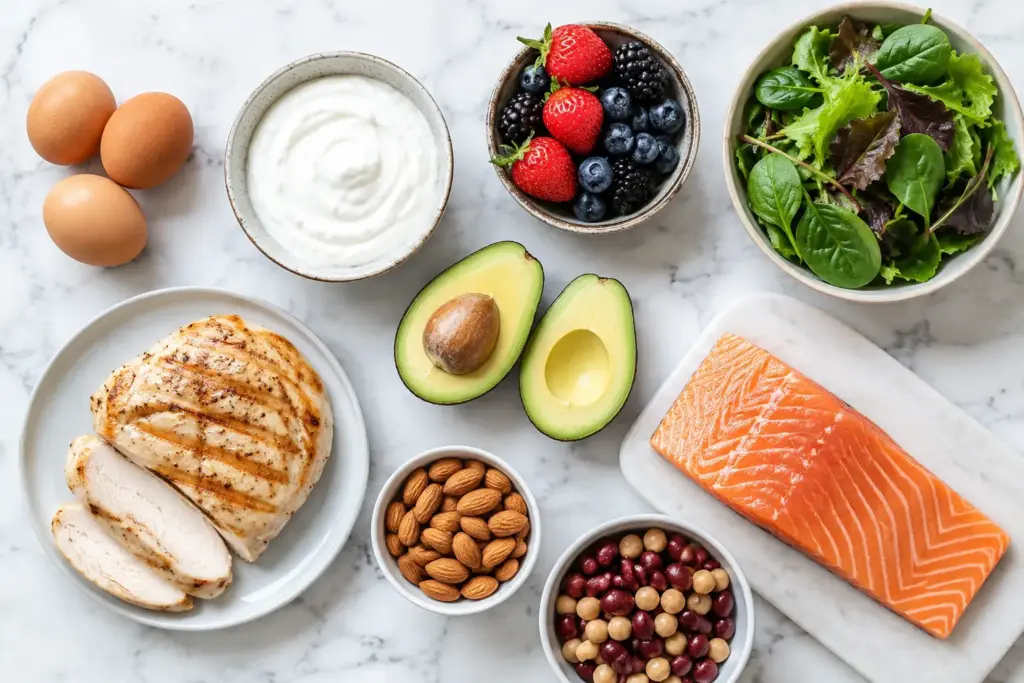
- Lean protein: chicken and turkey breast, fish and seafood, eggs, Greek yogurt, cottage cheese, tofu, and beans. Protein shakes are a lifesaver on days your appetite is low.
- Non-starchy vegetables: leafy greens, broccoli, peppers, zucchini, green beans, cauliflower. Filling, hydrating, and easy on the stomach.
- Fruit: berries, apples, oranges, and melon for fiber and natural sweetness.
- Whole grains and legumes: oats, brown rice, quinoa, lentils; modest portions for steady energy.
- Healthy fats: avocado, olive oil, nuts, and seeds in small amounts.
- Fluids: water throughout the day, plus broth-based soups that are gentle and hydrating.
Foods to limit (they can stall progress and worsen nausea)
- Fried and greasy foods: high in calories and one of the most common nausea triggers on a GLP-1.
- Very sugary foods and desserts: easy to overdo the calories, and they can spike then crash your energy.
- Refined carbs: white bread, pastries, chips, and sugary cereals offer little to keep you full.
- Alcohol: adds empty calories and can hit harder when you’re eating less; check with your provider.
- Carbonated and fizzy drinks: the extra gas can add to bloating and discomfort.
- Large, heavy meals: big plates often feel like too much and can leave you queasy.
The simple GLP-1 plate
Aim for about half non-starchy vegetables, a quarter lean protein (eaten first), and a quarter smart carbs, with a little healthy fat. Small portions, protein first, plenty of water. When in doubt, keep it that simple.
Eating to feel your best
Mild nausea, fullness, and digestive changes are common when starting or increasing a GLP-1. A few habits help you stay comfortable:
- Eat small, and eat slowly. Smaller, more frequent meals are usually easier than three large ones.
- Stop at the first sign of fullness. That signal comes earlier now. Listen to it rather than cleaning your plate.
- Keep it bland on rough days. Toast, crackers, rice, bananas, and broth are gentle when your stomach is unsettled.
- Try ginger or peppermint: ginger tea or peppermint can ease queasiness for many people.
- Don’t lie down right after eating. Staying upright for a while helps digestion and reduces reflux.
Don’t forget fluids and fiber
Because you’re eating and drinking less, it’s easy to fall short on water and fiber, and constipation is one of the more common complaints on a GLP-1. Sip water steadily through the day, lean on fiber-rich vegetables, fruit, and whole grains, and move your body regularly. If you’re struggling, your provider can suggest simple, safe options.
A simple day of eating on a GLP-1
- Breakfast: Greek yogurt with berries, or scrambled eggs with a slice of whole-grain toast.
- Lunch: Grilled chicken over a big salad with olive oil, or a broth-based vegetable and bean soup.
- Snack: A protein shake, string cheese, or a hard-boiled egg.
- Dinner: Baked salmon or lean protein with roasted vegetables and a small portion of quinoa or brown rice.
Want more ideas? Our meal plans give you ready-made, portion-friendly options that pair perfectly with a GLP-1.
How Houston Weight Loss Center can help
The medication does the appetite work. The right food choices make your results healthier and more comfortable. Our physician-supervised programs help you build a realistic, protein-forward eating plan that fits your life while you lose weight on a GLP-1 medication.
Call us today or schedule your consultation online to get started. With convenient locations across the greater Houston area, our team is here to help you lose weight the healthy way, and keep it off.
This page is for general education and isn’t a substitute for medical advice. Your nutrition plan should be personalized by your healthcare provider, especially if you have any underlying medical conditions.